
At Kids At Their Best, we understand that supporting youth extends beyond the classroom. For many students, the invisible struggle of homelessness presents significant barriers to their education and overall well-being. It's essential to recognize these challenges and work together as a community to provide the necessary support.

Understanding the Scope of Rural Youth Homelessness
Homelessness among young people often goes unnoticed, especially in rural areas. Factors such as poverty, lack of affordable housing, and limited access to resources contribute to this issue. It's crucial to understand the unique challenges faced by these students, including:
Lack of stable housing: Living in temporary shelters, cars, or doubling up with other families.
Food insecurity: Limited access to nutritious meals affects their ability to concentrate and learn.
Transportation barriers: Difficulty getting to school and other activities due to a lack of transportation.
Emotional distress: Experiencing anxiety, depression, and trauma due to their unstable living situation.

Creating a Supportive School Environment
Schools play a vital role in identifying and supporting students experiencing homelessness. Here are some strategies to create a more inclusive and supportive environment:
Train staff: Educate teachers, counselors, and administrators on the signs of homelessness and how to respond with empathy and understanding.
Establish a point of contact: Designate a staff member to serve as a liaison for homeless students and their families, connecting them with resources and support services.
Provide access to basic needs: Offer access to showers, laundry facilities, and hygiene products at school.
Offer flexible academic support: Provide tutoring, mentoring, and alternative learning options to help students stay on track academically.

Partnering with Community Organizations
Collaboration between schools and community organizations is essential to provide comprehensive support for homeless students. Consider partnering with:
Homeless shelters: Connect students and families with emergency housing and support services.
Food banks: Provide access to nutritious meals and snacks to address food insecurity.
Transportation services: Offer assistance with transportation to school, medical appointments, and other activities.
Mental health providers: Provide counseling and therapy services to address the emotional needs of homeless students.
Advocating for Policy Changes
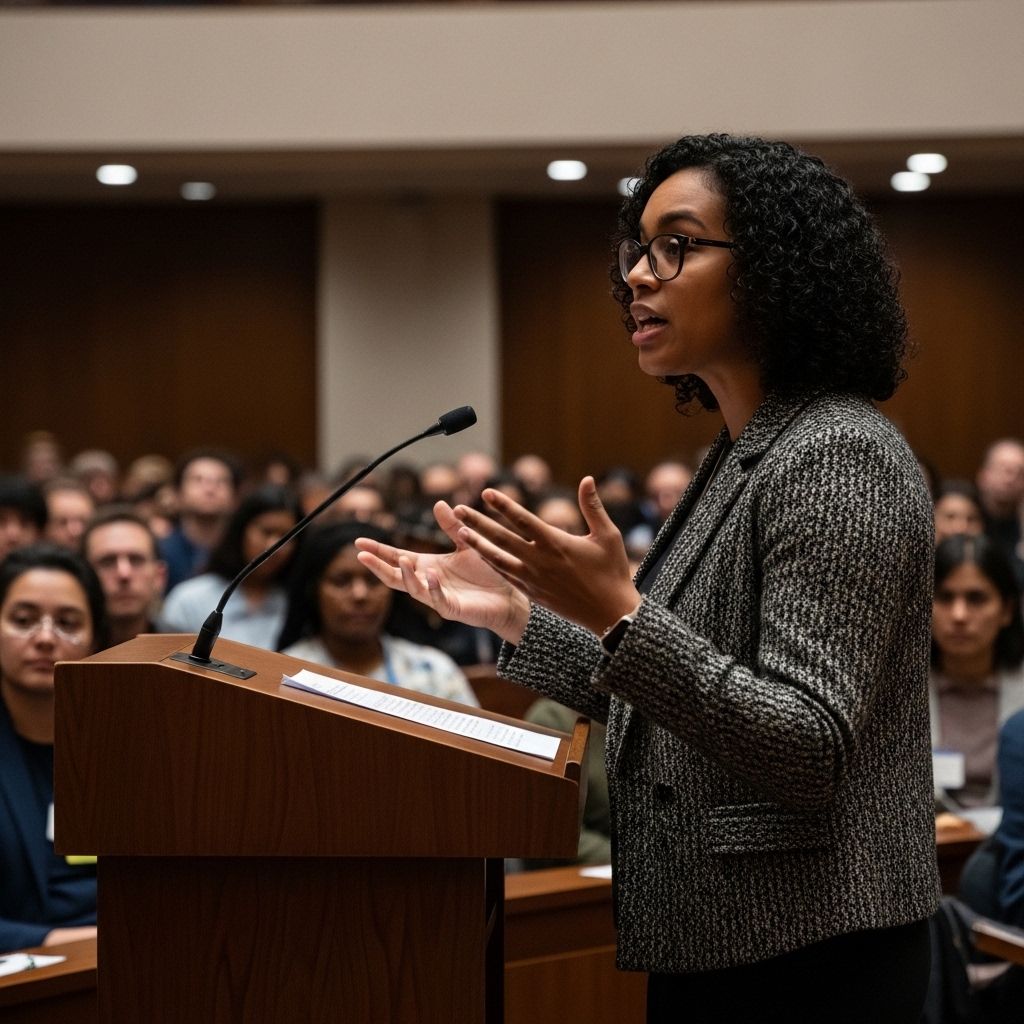
Addressing youth homelessness requires systemic change and advocacy at the local, state, and national levels. Advocate for policies that:
Increase funding for affordable housing: Expand access to safe and stable housing options for low-income families.
Provide comprehensive support services: Fund programs that address the unique needs of homeless students, including education, healthcare, and mental health services.
Remove barriers to enrollment and attendance: Ensure that homeless students have equal access to education and are not penalized for their living situation.
Supporting students experiencing homelessness is a shared responsibility. By understanding the challenges they face, creating supportive school environments, partnering with community organizations, and advocating for policy changes, we can help these students overcome adversity and achieve their full potential. At Kids At Their Best, we are committed to dismantling barriers that limit rural potential, such as poverty and lack of transportation, through our mobile and neighborhood-based service model. Discover how you can join Kids At Their Best in making a difference, or explore our programs to see how we're leading the way for Fort Morgan youth.